
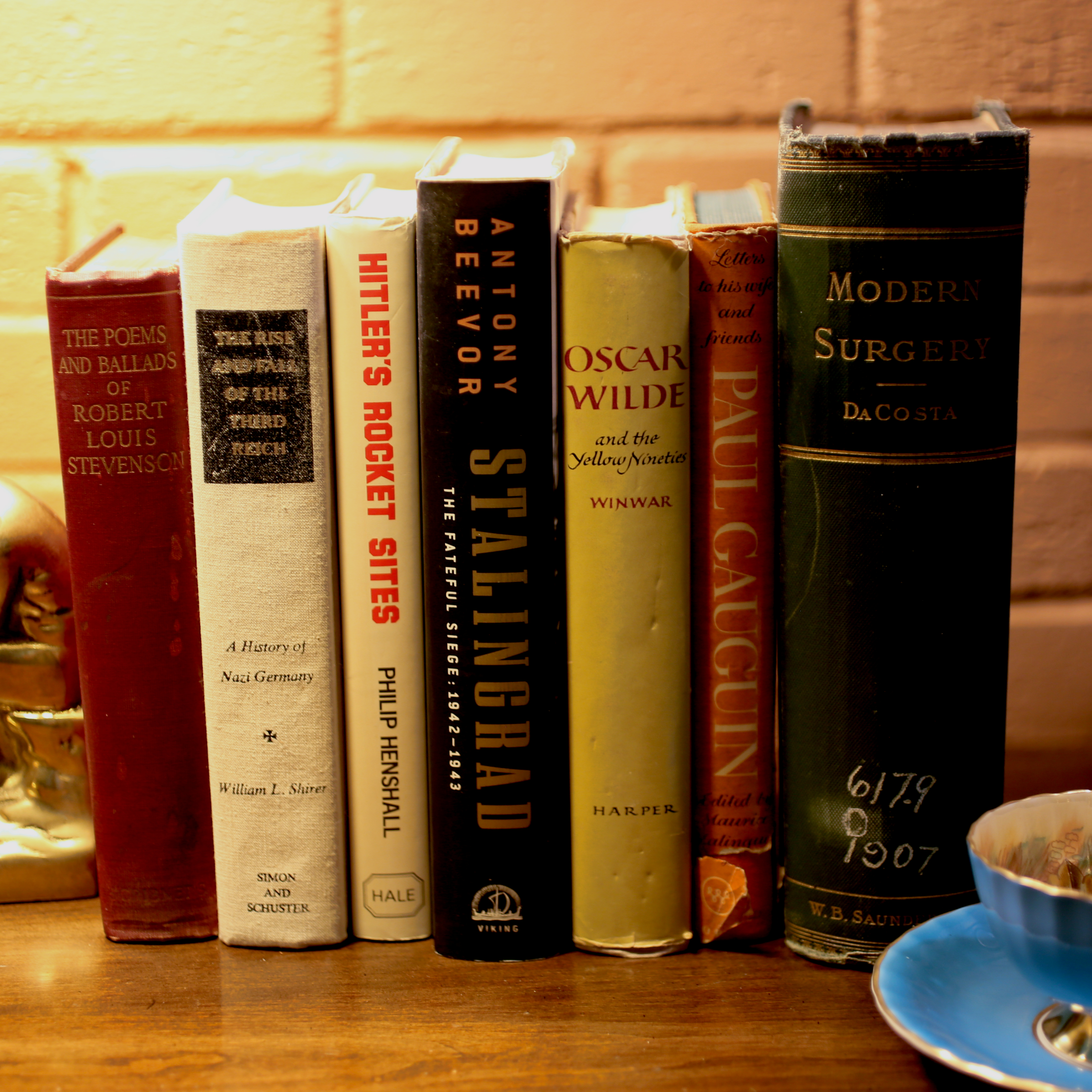
Let me be clear – I am not against new technology! We live in a fascinating age. So many things are possible. All the knowledge we could ever want is right at our fingertips. When I was a lad, I had to go to the library if I wanted to take a deep dive into an unfamiliar subject. Now, I can simply ask Google, or talk to the funny little box on my desk and a very polite lady answers my questions.
But herein lies the dark side. While screens are excellent for finding information, they are remarkably poor at helping us absorb it. We’ve traded depth for speed. A screen is brilliant for a quick answer, but when it comes to truly experiencing a mid-century classic or digesting a complex philosophy, that funny little box falls short. There is a profound difference between downloading a file and reading a book—and science actually backs this up!
Screen Inferiority Effect
Researchers have identified a phenomenon called the “Screen Inferiority Effect,” which shows that readers consistently score lower on comprehension and retention tests when reading on screens compared to paper.
When you read a Kindle, your brain goes into a shallow “skimming” mode. You might consume the words faster, but they don’t stick. A physical book forces “deep reading,” allowing you to actually digest and remember the complex plots, histories, and philosophies you are taking in.
Topography
Physical books provide spatial and tactile cues that help the brain map out information. Readers remember where a specific plot point happened because they can physically feel the weight of the pages on the left versus the right, or remember it was at the bottom of a left-hand page.
An e-reader is just a glowing, infinite scroll. A real book has geography. The texture of the paper, the weight of the binding, and the smell of the ink turn reading into a full sensory experience that anchors the story in your memory.
The Sanctuary of Disconnection
Screens encourage multitasking and are inherently tied to notifications and blue light, which causes eye strain and disrupts sleep. Print has zero opportunities for digital distraction.
In a world that is constantly pinging and demanding your attention, opening a physical book is an act of rebellion. A vintage book cannot notify you of an email or track your reading speed. It demands nothing but your quiet attention, offering a true digital detox.
The Artifact vs. the File
You don’t actually own an e-book; you just license the right to view a file on a server. A vintage book is a historical artifact.
EConsider the modern tragedy of the video game Guitar Hero. Millions of players paid for digital songs, building massive libraries of music to play in their living rooms. But when the corporate servers were eventually shut down, those songs simply vanished. Poof. Gone. The players discovered a harsh truth of the digital age: they didn’t actually own anything. They were merely renting access to a file on someone else’s computer.
The same ghost story applies to that sleek e-reader. When you click ‘buy’ on a digital storefront, you are not purchasing a book—you are purchasing a temporary license to view a string of code. If a platform loses a publishing dispute, goes out of business, or simply decides to update their terms of service, your digital library can be wiped out in an instant. Amazon has already famously reached into users’ Kindles and deleted copies of George Orwell’s 1984 without warning. Oh, the irony.
An e-book has no permanence. It has no history. But a physical book? A physical book is an artifact.
Once a vintage 1950s hardcover is placed on your shelf, it is unequivocally yours. No corporation can beam into your study and revoke your license to read it. It will sit there, patiently waiting for you, outlasting the batteries, the servers, and the software updates. A real book doesn’t require a WiFi connection, a power cord, or an end-user license agreement. It only requires you.
In conclusion
An e-reader might hold a thousand files, but a physical book holds a soul. Protect your peace, give your eyes a rest, and pick up something with real pages. The shop is always open if you are looking for your next great artifact.
Until next time – stay curious!
Leave a Reply