
What’s the worst travel experience you’ve ever had?
View all responses
People often ask me about my worst travel experience. Given the miles I’ve logged seeking out undiscovered and hidden corners of the globe (usually in search of rare vintage travel books), they usually expect a story about a broken compass, a delayed train, or catching a dreadful fever on a remote island off the coast of Sumatra.
But physical discomfort is just part of the adventure. No, my true travel nightmare was far more unsettling.
I once passed through a small, seemingly modern town (I won’t mention where). It had streets, houses, and people going about their days. But as I wandered the avenues looking for a way to pass the afternoon, I noticed a chilling quiet. Every resident walked in a hurried trance, their heads bowed, faces bathed in the pale, sterile glow of glass screens. Tiny white nodes were tucked into their ears, feeding them a constant, frantic stream of digital noise. No one looked up. No one lingered.
And worst of all: there were no books!
There was no local library with worn wooden steps. No dusty bookshop tucked between a bakery and a bank. Not even a single dog-eared paperback left behind on a park bench. It was a place devoid of the written word. It felt sterile, eerie, and completely unmoored from history. A town without books is a town without a memory. I couldn’t pack my bags fast enough!
For an explorer, books are just as vital as a map. They are artifacts that prove a place has a soul. That’s why I am so drawn to volumes that capture the absolute essence of a destination.
Case in point: I recently acquired a magnificent First Edition 1959 copy of London by Jacques Boussard.
If you want to know what it felt like to walk the streets of mid-century England, this is an excellent portal. What makes this particular volume a treasure of an artifact is that it contains over 180 heliogravure photographs.
Heliogravure is a highly skilled and difficult printmaking process that is practically a lost art today. It produces rich, velvety blacks and depth that modern digital printing cannot mimic. Through this process, the fog rolling off the Thames, the gleam of the double-decker buses, and the deep shadows of London’s historic architecture feel intensely real.
As a traveler, I am always looking to discover the undiscovered. But sometimes, the greatest discoveries are the perfectly preserved visions of the past, waiting to be opened.
(If you’d like to add this piece of mid-century British history to your own library, you can find this 1959 First Edition of London in the Mr. Curio’s Etsy shop here.)

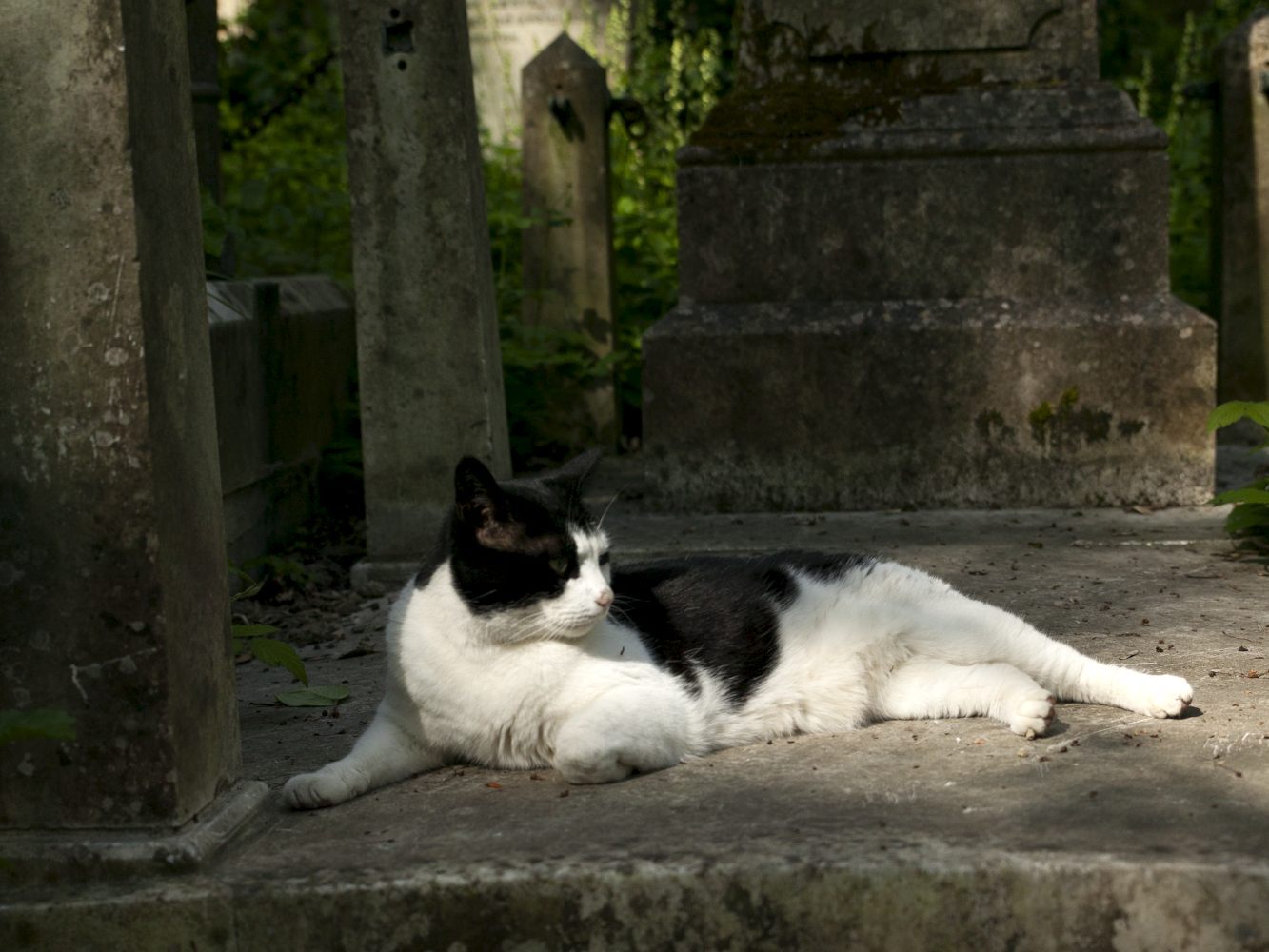
(Photograph by Mr. Curio)